Los Angeles rewards good building envelopes. Summers bring long, sun-baked afternoons, fall winds can drive dust into every crack, and even our cooler months swing from sunny to damp in a single day. Drive through any neighborhood from Woodland Hills to Long Beach and you’ll see the same weak link in otherwise updated homes: an old, uninsulated garage door that feels like a radiant heater by noon and a leaky sieve by night. With Energy Star labeled products showing up in more categories than ever, it’s fair to ask whether an Energy Star garage door installation in Los Angeles pays off or just looks good on paper.
I’ve installed, repaired, and retrofitted doors across the basin for years. The simple answer is that an Energy Star qualified assembly can be worth it, but the value depends on your specific garage type, door material, usage patterns, and how the entire opening is detailed. The door itself is only half the story. The tracks, seals, opener, balance, and even color choice alter outcomes. If you approach it holistically, you get quieter operation, cooler air, lower bills, and a better buffer against smoke and smog. If you just slap in a thick panel, you may not see much beyond a nicer look.
What Energy Star actually means for garage doors
Energy Star is a federal program that labels products exceeding baseline efficiency. For years you didn’t see it on garage doors because detached, unconditioned garages don’t directly affect a home’s HVAC load. That changed as more homeowners converted garages into gyms, offices, and living spaces, and as manufacturers developed door systems with better tested U-factors and air leakage ratings.
Energy Star doesn’t certify a standalone panel in isolation. It evaluates a door assembly, including panel construction, windows if any, perimeter seals, and installation quality against thermal transmittance and air leakage thresholds. Not all models from a manufacturer qualify, and not all sizes within a model line carry the label. In Los Angeles, look for doors with a tested U-factor that’s substantially lower than a basic steel pan door, along with confirmed air sealing at the jambs and header. If the door includes glass, glazing performance matters just as much as the panel foam.
For a quick sanity check, R-value is still the number most homeowners see in ads. It’s a thermal resistance metric. Higher is better, but it’s often a center-of-panel lab number that ignores joints and hardware. I treat R-12 to R-18 polyurethane sandwich doors as the useful band for LA homes that share garage walls with living space. Going higher offers diminishing returns unless you’ve fully conditioned the garage or you’re in the foothills with greater temperature swings.
The LA context: detached vs. attached, and how you actually use the space
Whether an Energy Star garage door installation in Los Angeles is worth it comes down to two questions: is the garage attached and air-connected to the home, and how do you use the space?
Detached garages in places like Highland Park or the Valley are often leaky, single-layer structures. Insulating the door still helps with comfort if you use the space as a shop or gym, but you won’t expect big utility savings. The value pivots to noise reduction, dust control, and sun-blocking. An attached garage in Mar Vista with a bedroom overhead is a different story. That garage often acts as a buffer zone. A hot garage radiates through the shared wall and ceiling, pushing your AC harder. In those cases, I’ve seen peak summer garage temps drop 10 to 20 degrees after upgrading a door and adding proper weatherstripping, which translates into fewer AC cycles indoors.
Consider daily habits as well. If the door opens and closes dozens of times a day, the garage exchanges a lot of air with the outdoors, so ultra-tight air sealing matters less than panel R-value and quick-closing openers. If the garage stays closed most of the day, a tight perimeter seal and insulated bottom retainer will do more for thermal stability and dust control than you expect.
The parts that actually move the needle
Panel construction makes the headlines, but I see equal gains from small details that rarely make brochures. A polyurethane foam-in-place steel sandwich panel resists heat flow better than polystyrene insert panels at the same thickness, and it yields a stiffer, quieter door. That stiffness improves the seal because the panel doesn’t flex as much under wind or stack pressure.
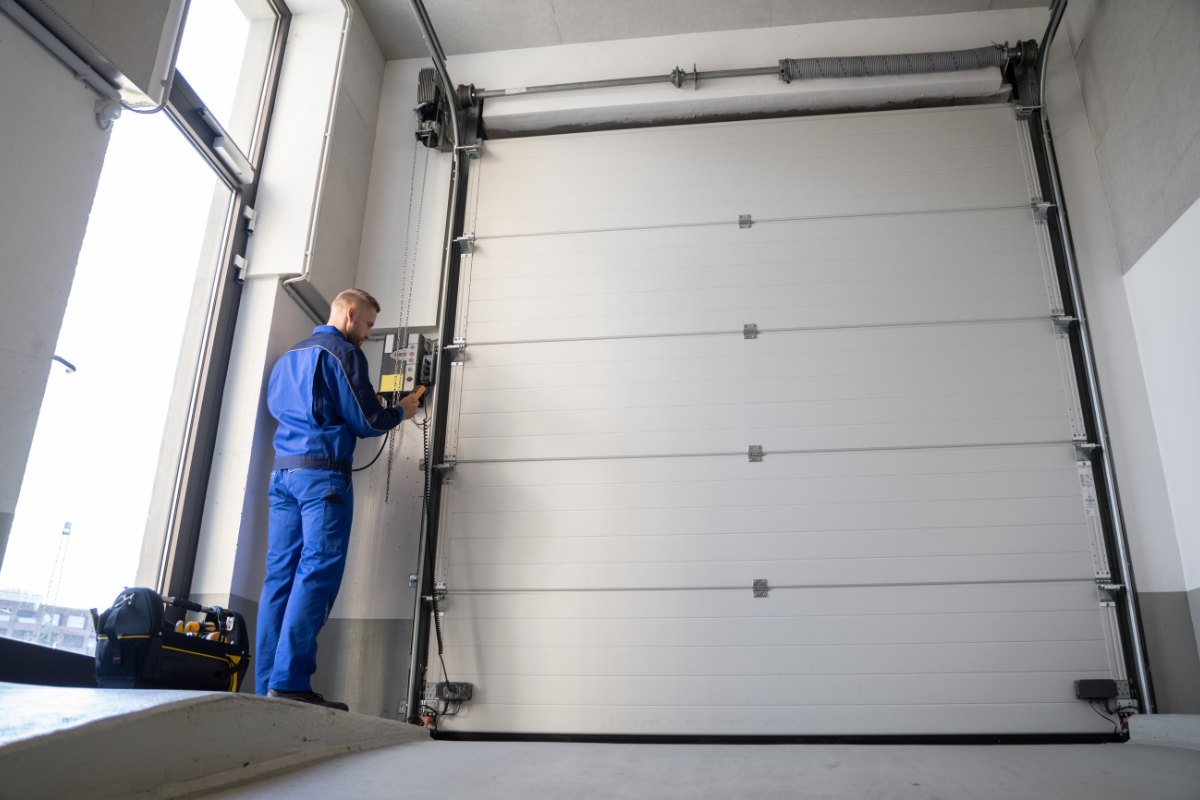
Hardware and track alignment matter. Poorly leveled tracks leave gaps at the jambs that defeat the insulation. I’ve measured half-inch daylight at the top corners on new installs done in a rush. On hot days that gap becomes a chimney. A good garage door company in Los Angeles will check for out-of-square openings, shim the tracks, and tweak the spring balance so the door seats evenly. Weatherstripping is the quiet hero: vinyl or rubber perimeter seals with a pliable bulb perform better across temperature swings than brittle PVC. The bottom seal should compress evenly along the slab. A sagging slab may need a tapered retainer or threshold to make real contact.
Windows require a separate decision. They bring light, which many clients want, but they also create thermal breaks. With double-pane low-e glass, the hit is reasonable. Without that, a high R-value panel loses its edge. If privacy matters on a busy LA street, frosted or insulated glass with higher SHGC control helps keep heat out without turning the garage into a cave.
Energy savings and realistic payback
Let’s put numbers to expectations. An attached two-car garage door upgrade from a non-insulated 25-gauge pan to a polyurethane R-16 sandwich door, with perimeter seals and bottom retainer tuned, typically runs $1,800 to $3,500 in Los Angeles, depending on style, size, glass, and brand. If you also replace the opener with a DC motor and better rail, the package might reach $4,000 to $5,500. Energy Star labeled options usually sit in the mid to higher end of those ranges.
On energy, the savings vary widely because many LA garages remain unconditioned. The benefit flows to the adjacent rooms. In homes where the garage shares a long wall with a family room or has a room above, I’ve seen summertime electric bills drop in the range of 3 to 8 percent after a combined envelope tune-up, which includes the garage door, attic air sealing above the garage, and weatherstripping the house-to-garage door. If all you do is the garage door, figure on the lower end, perhaps 1 to 4 percent, with more subjective gains in comfort. If the garage is partially conditioned, say with a mini-split or a workout space that uses portable AC, paybacks tighten because you’re directly reducing the cooling load inside that zone.
Payback periods land anywhere from 4 to 10 years for attached use cases when you include comfort as value and not just utility costs. For detached garages used as workshops, the equation becomes quality of life: less heat glare, reduced dust, steadier tool temperatures, and lower noise. Not everything worth doing shows up on the utility bill.
Why LA microclimates and sunlight angles matter
The San Fernando Valley punishes south and west-facing garage doors in summer. I’ve measured surface temperatures above 140 F on dark, uninsulated steel faces at 3 p.m. That heat soaks through and radiates into the garage well into the evening. In coastal neighborhoods, the swing is milder but the salt-laden air can chew on poor coatings and seals. Foothill areas get gusty winds that drive particulates inside. Energy Star doors tend to pair better coatings and seals with higher insulation, so the label often correlates with a more robust exterior finish and tighter air management. Color selection also affects performance. Light finishes reflect more solar gain. If you want a dark carriage look, ask for a reflective top coat or a thermal break construction to counter the extra heat absorption.
Installation quality beats spec sheets
Specifications impress on paper. In practice, the quiet, cool garage almost always comes from careful installation. The best garage door service in Los Angeles will pre-check three things: opening geometry, slab flatness, and framing integrity. If the header sags or the jambs flare, no panel can hold a tight seal around the perimeter. We shim the track brackets to true the plane, add backer where framing is weak, and sometimes scribe a composite threshold to address slab humps or dips.
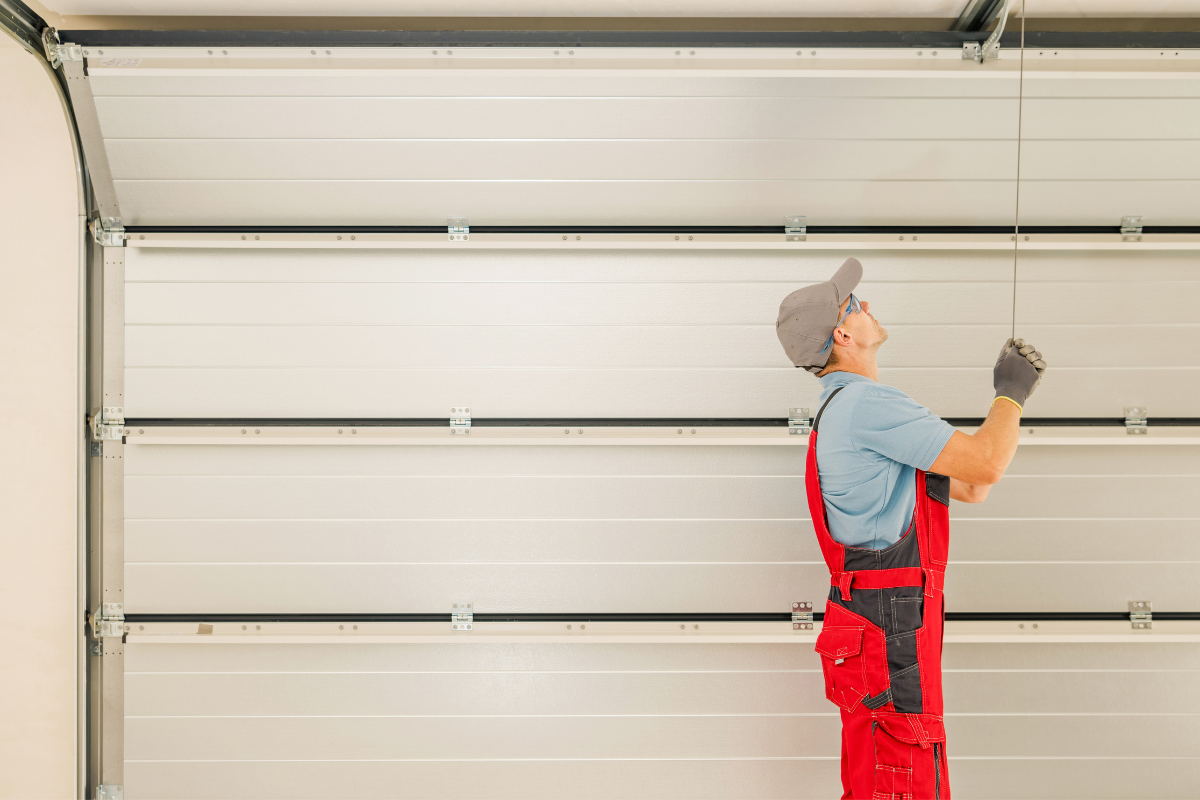
Spring selection matters for heavy insulated doors. Undersized torsion springs will make the opener work harder, shorten its life, and cause the door to slam the last few inches, breaking the bottom seal’s contact. A DC motor opener with soft start and stop complements a heavier insulated door by preventing bounce and maintaining a consistent seal. Belt drives keep things quiet, which matters with bedrooms nearby. The whole system has to be balanced so the Energy Star panel can do its job.
Windows, light, and privacy trade-offs
I like windows when the garage doubles as a project space. Natural light reduces the need for daytime fixtures and makes the room feel usable. But glass can be the weak link. If you pick an Energy Star rated assembly with windows, confirm the glazing spec. Low-e, argon filled glass in a thermally broken frame preserves much of the panel’s performance. Small clerestory lites at the top section keep privacy and reduce direct sun angles. For designs with large windows, add a tight air seal at the top and verify the section rails keep the panes snug under wind load. Cheaper inserts rattle and leak over time.
The maintenance angle: keep the value you paid for
An insulated, high-performance door can degrade into a squeaky, leaky giant if you skip maintenance. Los Angeles dust cakes rollers and tracks. Summer heat dries seals. Openers drift out of calibration. A twice-yearly tune from a qualified garage door company in Los Angeles is money well spent. They’ll lubricate bearings and hinges with non-silicone, non-dust-attracting products, tighten fasteners, test balance, and replace brittle weatherstripping. DIY owners can handle simple tasks like wiping tracks and checking seal contact, but spring adjustments and cable work call for pros. A well-maintained Energy Star setup stays quiet, safe, and efficient for years.
When a retrofit beats a full replacement
Not everyone needs a brand new door. If your existing door is a decent steel sandwich panel but leaks at the edges, a retrofit may buy you most of the gains:
- Replace perimeter seals and bottom astragal with high-quality, flexible material matched to the slab. Re-align tracks and re-balance springs to ensure even seating across the top and sides.
A retrofit like this costs a fraction of full replacement and often addresses the real-world issues causing heat and dust infiltration. I’ve taken garages from oven to tolerable in August in under two hours with these tweaks alone.
Where Energy Star shines: real-world scenarios
A family in Sherman Oaks had an attached garage with a playroom above. Summer evenings were sticky upstairs even with a new HVAC system. Their old door was a dented single-layer with a curled bottom seal. We installed a polyurethane R-18 carriage-style door with low-e lites, added a tapered threshold to match a slightly crowned slab, and swapped in a DC belt drive opener with a slower final close to preserve the seal. We also weatherstripped the interior door to the house. Electric bills dropped modestly, about 6 percent through August and September compared to the prior year, but the big change was upstairs comfort and less garage odor drifting inside. The parents told me they stopped running a box fan in the hallway at night.
In Venice, a client converted a detached garage into a studio. The coastal air brought salt and fog, and the south exposure cooked the space after lunch. They chose a flush modern door with an Energy Star assembly rating, thermally broken frame windows, and a light-reflective finish. With an insulated door, a small mini-split kept the studio stable on minimal power. More importantly, the seal kept moist air out during overnight fog, protecting instruments and electronics.
Cost, aesthetics, and neighborhood fit
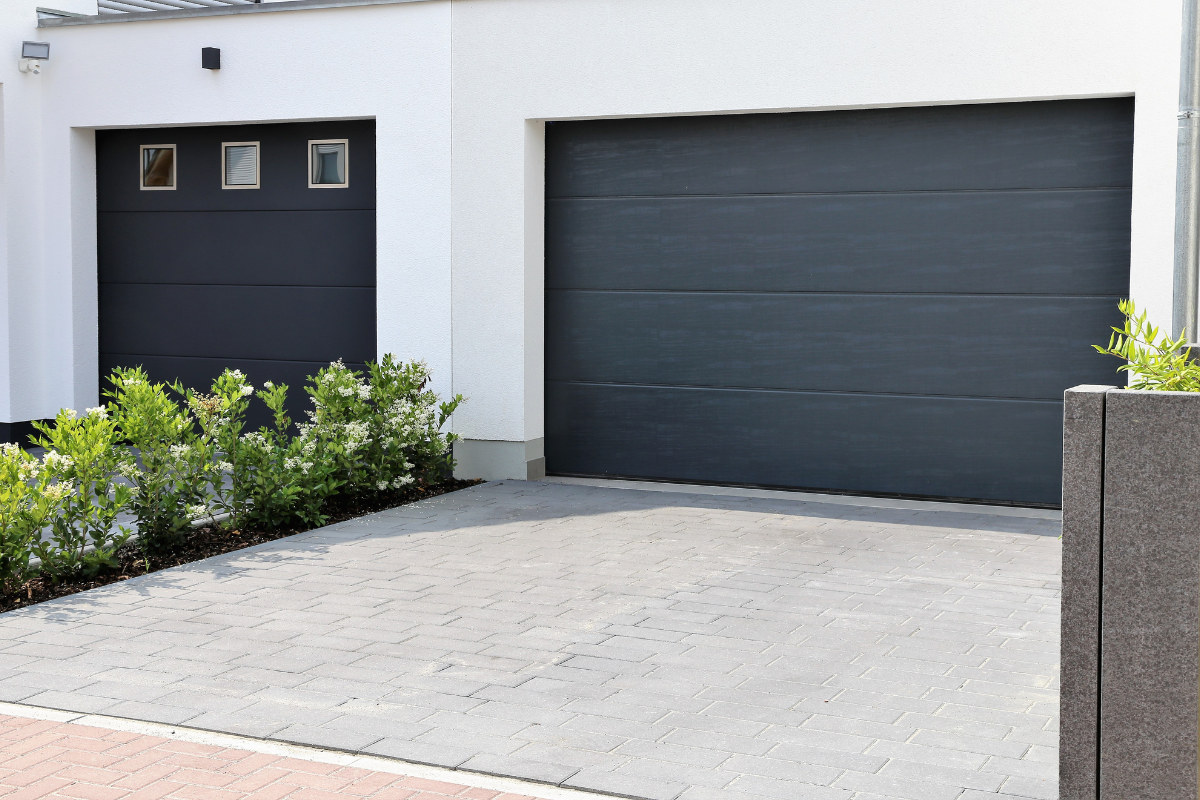
Los Angeles neighborhoods have strong visual identities. Spanish, mid-century, coastal modern, and Craftsman all show up within a few blocks. Energy Star does not mean you’re stuck with a bland panel. Most major lines offer carriage, modern plank, recessed panel, and flush designs with wood-look finishes or paintable surfaces. If you live in an area with design guidelines, a reputable garage door company in Los Angeles will flag options that meet HOA or city requirements while still delivering efficient performance. Remember that windows and hardware may change the assembly rating, so verify the specific configuration, not just the base model.
Expect to pay a premium over basic doors, but not a luxury tax. The bump often buys you a thicker steel skin, better foam density, upgraded seals, and stronger hardware, all of which extend lifespan. That can make the life-cycle cost competitive with cheaper doors that need frequent repairs.
Safety, ventilation, and car charging
As more LA homes add EV chargers in garages, air quality and thermal stability take on a safety dimension. Charging generates heat. An insulated, tight door helps manage the garage environment, and a quiet, modern opener integrates better with smart controls that can close the door automatically after charging windows. If you plan to install a charger, coordinate the garage door installation with your electrician. You may want passive vents or a small, controlled exhaust to manage heat without negating your air seal. Energy Star assemblies focus on efficiency, which can conflict with the need for ventilation, so design both together.
Selecting a partner: what to ask before you sign
The market lists dozens of garage door companies in Los Angeles, but only a subset consistently deliver tight, quiet, durable installs. When you interview, focus on process, not just price. Ask how they measure and correct for out-of-square openings, what seal materials they use, how they size torsion springs for insulated doors, and whether they verify air seal contact after a few cycles. Look for crews that schedule a post-install check within the first week. If a company tries to push the highest R-value with single-pane decorative glass, you know their priorities.
Many homeowners start with a service call, especially if they already need garage door repair Los Angeles for broken springs or off-track doors. A good tech will evaluate whether a repair plus sealing upgrade buys you enough benefit, or if it’s smarter to move to a full Energy Star grade replacement. If you’re already planning a garage door installation Los Angeles for a remodel, fold efficiency into the spec from day one rather than treating it as an upgrade at the end.
Common pitfalls I see on LA jobs
The most frequent mistake is mismatched expectations. A homeowner buys a high-R panel but keeps a warped jamb and flattened bottom seal. The door looks great and still leaks. Another is choosing dark finishes without thinking about west-facing solar load, then complaining about heat. I’ve also seen owners install a great door but leave the interior house-to-garage door unsealed, letting fumes and hot air drift inside. And finally, adding large, clear, non-low-e windows because they look cool on a showroom floor, then realizing they torch the space by noon.
These are avoidable with a https://reidoiyb842.huicopper.com/garage-door-service-los-angeles-weather-seal-replacement little planning. Treat the opening as a system. Check the slab, frame, seals, glass, and orientation. In LA, most of your gains come from reducing direct sun impact and stopping unfiltered air and dust, not from chasing the highest R number alone.
The bottom line: is it worth it?
If your garage is attached or partially conditioned, an Energy Star garage door installation in Los Angeles is usually worthwhile. You gain better comfort in adjacent rooms, less noise, tighter air control, and modest but meaningful energy savings. If the garage is detached and used only for storage, the case is softer, yet still valid for comfort and dust control. The key is pairing a quality door with precise installation and fit. An Energy Star label is a good proxy for performance, but the craftsmanship of the crew and the details of your opening decide whether you feel a difference.
For homeowners in LA who want a straightforward path, start with an evaluation from a trusted garage door company Los Angeles that can offer both garage door service Los Angeles and new installation. Have them measure the opening, inspect the slab, test your current seals, and estimate thermal gains based on your exposure and use patterns. If the budget is tight or your door is relatively new, ask about a staged approach: repair and seal now, replace with an Energy Star assembly later.
Done right, the upgrade feels like turning down the volume on your home. The garage becomes a buffer instead of a heat source, the opener hums instead of rattles, and you stop sweeping dust trails every weekend. In Los Angeles, those daily comforts are often the best return on investment you can buy.
Master Garage Door Services
Address: 1810 S Sherbourne Dr suite 2, Los Angeles, CA 90035
Phone: (888) 900-5958
Website: http://www.mastergaragedoorinc.com/
Google Map: https://openmylink.in/r/master-garage-door-services